Thursday, June 12, 2008

Getting Ready For the Transition from an Employee to a Business Owner


Anna D. Banks, EzineArticles.com Basic Author

By Anna D. Banks, GCDF

Most people nearing retirement age begin to think about what they can do next. Even though you may want to start a small home based business, but you could be stuck wondering if you are too old for entrepreneurship after retirement. You may even think that over 60 is an age that is too old for getting into entrepreneurship.

However, recent studies have shown that older entrepreneurs actually have the odds in their favor. As many as 22% men over 65 and 14% of the women over retirement age are self-employed, and entrepreneurs in the age group of 45 to 64 are a group expected to grow rapidly in the near future. Older entrepreneurs clearly have an edge because of their experience gained over many years of working life. They have also generally earned more financial stability, and assets that can finance a startup. Today, entrepreneurs over 50 are quite willing to devote the time and energy to build their small businesses.

There are more than 10 million businesses in the US alone that are women-owned, and employ 18 million people! Women-owned businesses are actually a good 28% of the total business world and total over 700,000 new startups a year! These statistics are a good reason to get ready for the transition from an employee to a business owner. As the Baby Boomer generation hits retirement age, people are living longer and healthier lives, making many of them want to continue an active and productive work life.

By the time you are 50, you have gained a number of skills and accumulated experience that really makes the difference in entrepreneurship. However, prepare well before you make the transition from an employee to a business owner. It requires some precautions that may not apply to young entrepreneur. Starting a new business at this stage can be more risky and you can afford fewer mistakes. There is simply less time to bounce back and the money you are investing might just be your retirement assets. So if you are an older entrepreneur, you need to plan and prepare, getting ready for the transition from an employee to a business owner, with caution.

Don't stake all your reserves on this one venture. Borrow only as much as you need to start the business and try to avoid a personal guarantee or second mortgages. Pick a business that you have experience in, in a field that you know well. Failing that, pick an industry where your current skills transfer and translate easily. A totally different industry, based on a hobby or an interest, can work quite well if you spend enough time in learning the ins and outs of the industry and familiarizing yourself with the business.

Consider buying up an already established business. Starting a new business from scratch is risky. If you buy an established business, you get processes already in place, and a ready client or buyer base. A running business has a track record, and financial statements; check these out before you buy, with your lawyer and accountant. Also, another good idea might be to consider a franchise.

© 2008 Anna D. Banks, GCDF

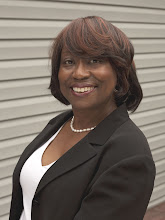
ANNA D. BANKS, GCDF is an adjunct professor at Essex County College, career development and marketing coach, speaker, and author. Anna helps individuals design a game plan for an extraordinary career or business. Since 1996, Anna has helped hundreds of job-seekers, managers, business owners, and sales professionals achieve career success. For more information send an email to Anna@AnnaBanks.com.
________________
Author's Note:
Do you have any questions about career development or lifestyle changes for Baby Boomers, which you think others, like you, would want to know the answers? Post your questions on this website or email your questions to me at Anna@AnnaBanks.com.

Thursday, June 5, 2008

Prepare Yourself to Stay Happily Married Even After Retirement

By Anna D. Banks, GCDF

Couples who are in marriages that have lasted through the years experience comfort, security, and a feeling of accomplishment. However, comfort and security can often also lead to married life becoming dull and couples taking each other for granted. Transitioning smoothly into married life after retirement requires planning. Apart from planning for financial sufficiency, couples also need to clarify matters like what expectations they have from each other after retiring, such as doing the household chores. One of the important aspects of adjusting to post-retirement life together is wives appreciating the fact that husbands lend an active hand in the house. Since retirement means that they will be spending more time together, weaknesses and strengths may become more pronounced. Soon after retirement, it is usual for couples to experience a period wherein there will be an increase in friction, which they must overcome to enjoy a fulfilling life together for the rest of their days. Here are a few tips that will help you to stay happily married even after retirement:

Avoid Criticism:
It is often the case, that in a companionship that has lasted long years, partners have a tendency to think that they can make negative or unkind remarks to each other. After years of familiarity, people tend to speak their minds regardless of the feelings of their spouses. However, irrespective of the length of a marriage, being gentle with each other is an essential element for marital harmony and strength. Gentleness includes avoiding criticizing each other, forgiving each other, being self-disciplined rather than finding fault with each other, as well as being kind to each other. You need to have self-control and an ability to be responsible for your own actions in order to give up criticism. Although this may often be difficult, even so, as you stop being critical of each other, you will find understanding and love growing in your marriage.

Being Best Friends:
Just like you ignore traits in your friend that you might find irritating, you need to look beyond your spouse’s flaws, focusing instead on the qualities that endear him/her to you. This includes giving each other love unselfishly and freely, without feeling that you are making a sacrifice. Having fun together, sharing your feelings and thoughts with each other, and laughing together are important to keeping your retirement life together happy and fulfilling.

Respect Each Other:
Respecting each other as individuals is an important aspect. Although long years of co-existing with each other may result in fewer conflicts, husbands and wives still need to acknowledge the differences that they have and respect them. The differences could even make the marriage more fun and interesting, adding a renewed spark to it.

Become Allies:
Long years of togetherness can make it easier to be a team. Although differences may still crop up, they may not seem as threatening with the growth of commitment and love. Partners can now appreciate each others differing strengths and perspectives. They can also pool each others corresponding traits together and achieve goals that they may not have been able to by themselves. Enjoy, build, and value this unity.

© Anna D. Banks, GCDF

ANNA D. BANKS, GCDF is an adjunct professor at Essex County College, career development and marketing coach, speaker, and author. Anna helps individuals design a game plan for an extraordinary career or business. Since 1996, Anna has helped hundreds of job-seekers, managers, business owners, and sales professionals achieve career success. For more information send an email to Anna@AnnaBanks.com.
___________________
Author's Note:
Do you have any questions about career development or lifestyle changes for Baby Boomers, which you think others, like you, would want to know the answers? Post a question on this website or email your questions to me at Anna@AnnaBanks.com.

Thursday, May 29, 2008

Does Your Pre-Retirement Planning Have Room For A New Career?


Anna D. Banks, EzineArticles.com Basic Author


By Anna D. Banks, GCDF

One of the principal questions facing retirees, or people planning for their retirement, is what to do with the rest of their lives. After all, people of the retiring age are no longer as old as the previous generations. Your retirement can be a time of great purpose and of indulging passions. Life, far from being over, is venturing into a new interesting path, leading to greater meaning and productivity.

Space for a new career in your pre-retirement planning stage, enables you to decide on the great question: “what next”. A growing number of CEOs, doctors, business owners, high ranking executives and so on, are charting their “Plan B” and deciding their new careers after retirement. If you are in the early stages of pre-planning your retirement, consider a new career option. There is, of course, more than one reason for doing so. In this age of inflation, and longevity, you are definitely likely to need much more money to retire than you may initially think. Under these circumstances, leaving your own business or company can be a major decision if you have no idea of what to do next.

To keep busy, or to supplement the retirement income, most executives or professionals are willing to continue their lives of stress simply because they have no clue about what they could do instead. They feel as if there is no other choice or work option. It is very conceivable that they would need the equivalent salary, but they may not be able to come up with what else to do to earn that income. This only leads to poor decision making, misery, and wasted years. In other cases, change may be forced by lay-offs, mergers and so on.

It is a common perception that one has to continue in the chosen career path that one has pursued all along. Professionals tend to think of in terms of that single role. People often forget that almost everyone is multi-faceted, talented, and there is nothing to prevent a career change. Making the right choice for a new career can be difficult. This is all the more reason why most people should include a new career in their pre-retirement planning. Consider careers that include, or can be derived from your other interests, hobbies, or talents. Lower stress levels, part time involvement and more flexibility is eminently achievable, all you have to do is plan ahead.

If you are, and have been a fairly successful individual in your career so far, it is all the more essential to create a plan for your post retirement career. Set your goals in advance, define a career path that you want to follow, consider issues such as relocation, explore flexible work options like consulting, volunteering, or social and community work. If you feel the need, consult an expert who will be able to help you plan the move to your second career. Alternatively, you can go online to search for the right tools that will help you to discover and define your passions and interests and make a positive career change.

© Anna D. Banks, GCDF

ANNA D. BANKS, GCDF is an adjunct professor at Essex County College, career development and marketing coach, speaker, and author. Anna helps individuals design a game plan for an extraordinary career or business. Since 1996, Anna has helped hundreds of job-seekers, managers, business owners, and sales professionals achieve career success. For more information send an email to Anna@AnnaBanks.com.

_______________________
Author's Note:
Do you have any questions about career development or lifestyle changes for Baby Boomers, which you think others, like you, would want to know the answers? Please post your question this site or email your questions to me at Anna@AnnaBanks.com.

Saturday, May 24, 2008

Does Your Pre-Retirement Planning Also Include Relocation?

By Anna D. Banks, GCDF

Some employees hanker for retirement while some fear it and many are anxious thinking about the financial instability associated with it. The truth is that retirement is just another phase of adulthood and it gives a person an opportunity to relive life as and how he or she wants. But in reality retirement is a major event in a person’s life with today’s increasing life span, one that lasts for about a good one third of life!

Retiring at 65 is not archetypal anymore as people nowadays retire even at 60 and then they have to plan for around 30 years of not working. Retiring late means, you don’t get a chance to do everything you wish for. Like quoted in a poem written by William Shakespeare “Fear no more the heat o’ th’ sun, Nor the furious winters rages. Thou thy worldly task hast done, home art gone and ta’en thy wages”. Retirement generally brings in a change in the existing lifestyle and things that encompass retirement years include career changes, possible relocation and cutting back work. Hence planning is essential to lead a satisfying retired life. Retirement planning should be based on identifying what that term means to you and how the lifestyle change can be funded.

The strategy for retirement planning has changed tremendously. Now it is based on the terms of lifestyle changes, accomplishing or readjusting goals and changing or giving up work. Case studies state that the person who spends minimum 10 years in building the foundation with regards pre-retirement planning can lead a second fun filled career during retirement.

So enroll in a workshop to get guidance with regards pre-retirement planning or if you already have enrolled, enquire whether the pre-retirement planning also includes relocation. Relocation works well for employees who work for the Defense.

So start planning now if you wish to lead a quality life after retirement and the first step would be based on assessing the type of life you would like to live. So if you are retiring at 60 or 65 and wish to maintain the same lifestyle, then your retirement years should generally focus on building wealth to generate income from those investments made during the working years. By joining a workshop and enrolling with a financial planning program, you will be able to chart a well-defined path, which can make your retirement years more worthwhile and relaxing.

These financial planning strategies provide a series of advantages like those that boost retirement saving and legally minimize tax and access to preserve super benefits of tax relief or concessional tax. Once you understand your retirement portfolio, then you are sure to understand and control your clear course towards a successful and relaxed retired life. Retired life is a new chapter to relive and enjoy all those moments that you missed while barging ahead in a hectic work life.

© Anna D. Banks, GCDF

ANNA D. BANKS, GCDF is an adjunct professor at Essex County College, career development and marketing coach, speaker, and author. Anna helps individuals design a game plan for an extraordinary career or business. Since 1996, Anna has helped hundreds of job-seekers, managers, business owners, and sales professionals achieve career success. For more information send an email to Anna@AnnaBanks.com.
______________
Author's Note:
Do you have any questions about career development or lifestyle changes for Baby Boomers, which you think others, like you, would want to know the answers? Please post your question this site or email your questions to me at Anna@AnnaBanks.com.

Saturday, May 17, 2008

Consulting a Counselor for Pre-Retirement Planning Needs


By Anna D. Banks, GCDF

Retirement is a new chapter of adulthood as it transforms a person to a time of passion and purpose. Retirement is not the end of everything. It is just the beginning of a new and relaxed life which could turn out to be interesting and more productive if you plan well. So design your next phase well to lead a meaningful second adulthood.

Many people are uncertain about their pre-retirement planning. Are you confused about the right plan or selecting a career path after retirement? You should be, and more so if you are nearing your fifties as you have plenty of years to plan ahead and this question is the one that should lead you to the right path. Some people find pre-retirement planning very tedious and boring and they feel that they would need more money than they calculate. Many executives prefer leading stressful life, as they don’t know how to start planning for their retirement. Some find themselves locked in a decent pay pack and they cannot think of anything else or any change over.

You should plan well for your retirement. Seek the help of a counselor who can create a plan for your retirement and help you set your goals or define your career path so as that you can lead a satisfying retired life. Counseling is generally based on your needs and either the counselor guides you to a specialist or provides a referral. Counselors are well versed to handle all your issues relating to relationship, financial management, life balance issues, stress and well as anxiety that accompanies when you near the retirement stage.

If you seek help from the Employee assistance program, then you will be guided by counselors who formulate step-by-step pre-retirement plans, focusing on the emotional readiness of the transitional phase towards retirement. Conselors identify the stress and anxieties associated with retirement and help you handle them by discussing the use of time and money. They also help you handle your health problems and identify community resources.

Retirement is very critical for some people and other than financial issues some also face restlessness. Experts are not satisfied with the currently available pre-retirement programs as they find them shallow. They suggest that a counselor should give a holistic approach towards understanding:

• Current financial resources and the future needs.
• Management of leisure time more meaningfully, by pursuing hobbies or
opting for some volunteer activities, or
in reflection and contemplation.
• Obtainable property, or health and safety.
• Relationships.


Research shows that pre-retirement people refuse to seek help from counselors. But slowly this trend is changing and many corporations now offer specific pre-retirement help. Counselors play an important role in providing financial information with meaningful suggestions based on a special sensitivity to the fact that anxiety about retirement is often about aging.

Counseling the elderly during the pre-retirement stage is a new and challenging field that promises a more satisfying, meaningful life for America's older citizens. The little planning and initiative goes a long way.


© Anna D. Banks, GCDF

ANNA D. BANKS, GCDF is an adjunct professor at Essex County College, career development and marketing coach, speaker, and author. Anna helps individuals design a game plan for an extraordinary career or business. Since 1996, Anna has helped hundreds of job-seekers, managers, business owners, and sales professionals achieve career success. For more information send an email to Anna@AnnaBanks.com.
________
Author's Note:
Do you have any questions about career development or lifestyle changes for Baby Boomers, which you think others, like you, would want to know the answers? Please post a comment or email your questions to me at Anna@AnnaBanks.com.

Sunday, May 11, 2008

Baby Boomers - Can You Be Too Young To Retire?


By Anna D. Banks, GCDF

Boomers young and old are starting to think about the years ahead. Three-quarters of the 76 million Baby Boomers in the United States plan to work full or part time after age 65. Many are still focused on their families, providing care for their children as well as their parents.

With Baby Boomers living longer, healthier lives, the conventional idea of retirement is out of date. This cohort aged 50 to 65 wants to know "What's next?"

The “Too Young to Retire” Course answers their burning question with resources, inspiration and good humor. Enlightening exercises and workbook pages as well as a comprehensive list of publications, home exchange organizations, and websites are included to assist participants in making meaningful choices.

The 2young2retire Course

Who am I? What am I doing here? Baby Boomers start asking these Big Questions, in one form or another, around age 50. What if your Big Answers could launch a whole new, more meaningful life in the years ahead?

The 2young2retire course is a process that helps you get clear about your choices and future possibilities. Working with a 2young2retire certified facilitator,” participants will discover what matters most to them and where their skills and experience could be put to good purpose.

The six areas of discovery are:

► Work that matters (paid or not)
► Being your own boss (you can do it!)
► Community activism (it's about time!)
► Money control (at last)
► Wellness plan (quit stalling now!)
► Intelligent travel (why to go where)

To find out more about how the 2Young2Retire Course can assist you, visit 2Young2Retire.com.


© Anna D. Banks, GCDF

ANNA D. BANKS, GCDF is an adjunct professor at Essex County College, a certified “2Young2Retire facilitator, career development and marketing coach, speaker, and author. Anna helps baby boomers and other adults design a game plan for an extraordinary career or business. Since 1996, Anna has helped hundreds of job-seekers, managers, business owners, and sales professionals achieve career success. For more information send an email to Anna@AnnaBanks.com.
___________________________

Author's Note:
Do you have any questions about the 2Young2Retire Course or lifestyle changes for Baby Boomers, which you think others, like you, would want to know the answers? Please post a question on this website or email your questions to me at Anna@AnnaBanks.com.

Plan Ahead To Enjoy a Healthy Life Post Retirement

By Anna D. Banks, GCDF

If you picture yourself at sixty-five years of age, what do you imagine? Like most Americans, the most probable image will be of a person who has retired from both a job along with any routine of fitness you may have been following.

Visualize it: A podgy middle with a spare tire or two; knees that hurt; feeling worn out by a mere 30-minute walk; your sense of balance getting so poor that you need to navigate carefully over the most minor of obstacles that you may have to get across; and never mind being able to touch your toes, feeling lucky if you can get past your knees!

However, advancing age does not automatically have to mean diminishing health and fitness. And in fact, with age you have the ability of actually having a better body. Sure there are physiological changes that do occur as the years go by, but you need not sit back watching your vitality and health deteriorating with time. By planning ahead you can enjoy a healthy life even after retirement.

Regardless of what age you are now or the condition your body is in, proper attention and care can help you to get back and retain exceptional fitness levels. Incorporating the correct combination of healthy nutrition and intensive, regular exercise now can help you look and feel fitter and healthier even after you retire. The important thing is starting at whatever fitness level you are at currently, and never giving up.

Most medical experts in sports agree that remaining healthy involves sweating it out regularly. They opine that exercise should be treated like medicine. A regimen of regular exercise is one of the most powerful prescriptions that you can give yourself. Various types of activities can help you to prevent or ameliorate most age-related ailments such as cardiovascular problems, arthritis, osteoporosis, and type-2 diabetes, excessive fat in the abdomen, hypertension, and high blood pressure.

However, if you are like most people, you probably think that it is already too late to begin an exercise regimen. But the best news is that it is never too late to start exercising. And if you make a commitment immediately for exercising about 4 to 5 hours in a week, you will be surprised how fast you will begin to see and feel the benefits. The human body being very resilient, it responds to whatever demands you put on it, irrespective of what age you may be.

You can get back your muscular strength in as short a time as fourteen weeks by doing resistance workouts on strength-training machines. And according to a study conducted on men in their fifties, it was found that it took a mere six months for them to improve their cardiovascular fitness by indulging in aerobic exercises such as walking, cycling, jogging, running, and so on.

Arthritis afflicts many in this age group. Even though arthritis can be prevented or ameliorated by exercise, if you had injured yourself seriously while participating in sports at a younger age, it may lead to you getting arthritis earlier. Therefore, in order not to allow arthritis hinder your efforts at getting healthy and fit, you need to warm-up thoroughly before plunging into your workout session.

© 2008 Anna D. Banks, GCDF

ANNA D. BANKS, GCDF is an adjunct professor at Essex County College, career development and marketing coach, speaker, and author. Anna helps individuals design a game plan for an extraordinary career or business. Since 1996, Anna has helped hundreds of job-seekers, managers, business owners, and sales professionals achieve career success. For more information send an email to Anna@AnnaBanks.com.
____________________________
Author's Note:
Do you have any questions about career development or lifestyle changes for Baby Boomers, which you think others, like you, would want to know the answers? Post a comment on this website or email your questions to me at Anna@AnnaBanks.com.