Saturday, May 10, 2008

Business Ideas for Baby Boomers on a Shoe String Budget


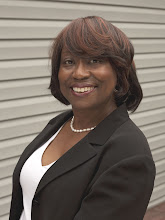
Anna D. Banks, EzineArticles.com Basic Author

By Anna D. Banks, GCDF

Whether you want to start a small business, while you are still working in order to make a little extra income, and as a sort of retirement plan; or you want to get into the business after you have retired, there are many business ideas for baby boomers operating on a shoe string budget. You can actually start up one of many businesses quite inexpensively and all of them may have the potential to become much larger money spinning enterprises.

Put up a web site and the money will start coming in. Remember that it won’t happen immediately. However, it is not a very difficult undertaking. Just pick a subject that you are well versed with, register a domain name, and create your web site. Make sure it looks good and that you are able to give the users useful content. The money comes from appropriate affiliate programs and ads. In order to maximize your revenues, learn how to achieve search engine optimization and market and promote your site well. Set aside a fixed time every single week to update the content on your site, make sure your keep up the maintenance and delete links that no longer work. If you choose the right topics you can easily make a decent income from this. The only real costs are the money you pay to register the domain and for web hosting.

• Become a consultant.
It is relatively easy to get into. All of us have at least one thing that we are experts at, something we know in more detail than many others. Experience or talent can usually provide at least one sphere that we can teach people or work for them. Make a list of all your business and social contacts and give them a call, network, ask for references. Your only expenses would be business cards, with the price of some coffee for networking.

• Become a house-sitter or a stay at home pet-sitter.
People now have a greater need for all kind of security, and that’s where house-sitting comes in. It provides reassurance to homeowners while they are away. Becoming a house-sitter requires no special skills. All you have to do is prove that people can trust you, that you are reliable. Get personal references and make them available to prospective clients. Make sure you have transportation. If you get along with animals, pet-sitting can be an add-on service that you provide. Alternatively take in pets and take care of them while owners are away. Expenses are the cost of putting up flyers on bulletin boards, and placing classifieds in local newspapers.


•Tutor Students.

With a growing dissatisfaction of students and parents with the current system of education, there is a sharp growth in the number of kids being home-schooled. If you are strong in a subject that you can teach students, contact your local schools, and home-school groups, and talk to them about tutoring.


• Try your hand at desktop publishing.
Most people own a computer but have no idea how to make a decent presentation. With a good sense of design, and some familiarity with your computer and word processor, all you need is a good quality printer to venture into desktop publishing. Your total expense would be high quality paper for samples of your portfolio.


© 2008 Anna D. Banks, GCDF

ANNA D. BANKS, GCDF is an adjunct professor at Essex County College, career development and marketing coach, speaker, and author. Anna helps individuals design a game plan for an extraordinary career or business. Since 1996, Anna has helped hundreds of job-seekers, managers, business owners, and sales professionals achieve career success. For more information send an email to Anna@AnnaBanks.com.
_______________

Author's Note:
Do you have any questions about career development or lifestyle changes for Baby Boomers, which you think others, like you, would want to know the answers? Please post a comment or email your questions to me at Anna@AnnaBanks.com.

Saturday, February 16, 2008

Kohl, Smith Release Report on Expanding Opportunities for Older Workers

This is an important step toward easing the brain drain...


WASHINGTON, D.C. – Chairman Herb Kohl (D-WI) and Ranking Member Gordon H. Smith (R-OR) of the U.S. Senate Special Committee on Aging joined today in releasing the findings of the Taskforce on the Aging of the American Workforce. The taskforce was created at the request of Senators Kohl and Smith in an effort to expand opportunities for older Americans choosing to remain in the workforce, and to develop proposals to address the challenges and opportunities of an aging workforce.

“I'm glad to finally be receiving this report. Since this taskforce convened in May 2006, nearly 5 million baby boomers have reached retirement age,” said Senator Kohl. “While the report provides a broad overview of several legal and regulatory barriers, what we really need to focus on is creating innovative workplace practices and providing attractive employer benefits to facilitate the hiring and retention of older workers.”

“By 2025 labor force growth is expected to be less than a fifth of what it is today,” said Senator Smith. “The goal of the taskforce is to prevent this dramatic decline through strategies that encourage extended work life and remove barriers that hinder seniors from working longer. This report is a good first step in what must be an on-going effort to ensure the door stays open for our seniors who wish to remain an active part of the U.S. workforce.”

The interagency effort was launched in May 2006 to focus on the aging of the American workforce and the impact of this demographic change. The Taskforce on the Aging of the American Workforce was charged with two primary goals: (1) identifying strategies to enhance the ability of older Americans to remain in or re-enter the labor market and pursue self-employment opportunities; and (2) identifying strategies to enable businesses to take full advantage of this skilled labor pool.

The report presents strategies developed by the taskforce to address the most significant issues related to the aging of the American workforce. Among other suggestions, the taskforce recommends creating an interagency group to inventory the legal and regulatory barriers and disincentives to employment of older workers. The interagency will identify the pros and cons of specific approaches to addressing each barrier. The taskforce also recommends making educational resources on retirement and financial literacy available to older workers at One-Stop Career Centers and local Social Security Administration offices.

Kohl is currently working with Special Committee on Aging Ranking Member Gordon H. Smith (R-OR on a bill that would remove barriers to working longer and incentivize employers to hire older workers.

The U.S. Senate Special Committee on Aging plans to hold a hearing in the spring on what the federal government can do to engage and retain older workers. The Committee will highlight some of the federal government’s current best practices in this arena, and look to ways improvements can be made. A second bill will likely be introduced around this time to make the federal government’s current hiring practices and procedures more friendly to older workers and will focus on increasing work schedule flexibility and phased retirement options.

Last year, Chairman Kohl introduced two bills: the Older Worker Opportunity Act of 2007 (S.709) and the Health Care and Training for Older Workers Act (S.708), both of which would give older Americans the opportunity to work longer if they so choose and offer incentives to businesses for employing older workers.

The Taskforce on the Aging of the American Workforce is composed of senior representatives from nine federal agencies: the Departments of Commerce, Education, Health and Human Services, Labor, Transportation, and Treasury; the Equal Employment Opportunity Commission; Small Business Administration; and Social Security Administration. The Taskforce is chaired by Assistant Secretary of Labor for Employment and Training, Emily Stover DeRocco.

Download your copy here Aging Workforce Taskforce Report

Friday, November 16, 2007

Prepare Yourself to Step into A New Career After Retirement


By Anna D. Banks, GCDF

For many older workers today, retirement is not part of the immediate future. Rising healthcare costs and living expenses combined with inadequate financial planning are giving many people a reason to go on working longer. Some may retire and then rejoin the workforce, while others may change careers mid-way. Either way, a change in career can be the cause of much anguish, and frustration.

There are however, many organizations that offer counseling and networking opportunities for retired mature job seekers. A lot of people in their golden years are dealing with an entirely new set of life challenges. Most experts agree on the following advice:

Rediscover other passions that may have been sidelined in your first job for one reason or another. Finding a job or career path that fulfills you and interests you should be the prime focus, instead of just identifying the next paycheck. Searching for work in the field you spent years in may not work. Don’t assume that you are too old to change direction at this stage in life. In fact, it is a great idea to prepare to step into a new career after retirement. This is the best time to look for a new career, doing what you have always dreamt of doing.

There are generally supposed to be three stages in your life, the learning stage, the working stage and the retirement stage. However, in the age of technology, we have moved into a time when those stages need to merge, and learning, work and play, all become lifelong activities. If you feel the need, for whatever reason, to go back to work after retirement, it is probably a great thing to do for yourself. It will keep you active and younger, for much longer

Find the right motivation to go back to work. Prepare yourself well to step into a new career after retirement. It can be hard for retirement-aged workers to find the motivation to change careers, and to go on working, especially if they have been looking forward to leisure, or feel underappreciated. You may begin to feel that you are no longer contributing in a meaningful way and may envy those peers who are able to enjoy retirement. However, it is important that you learn to make the most of your situation and your activity. Overcome the mental barriers, first and foremost, and become more receptive to the idea of work as a factor that can coexist with learning and playing. A new career after retirement can:

• Give you the opportunity to find a more meaningful working life
• Allow you to achieve accomplishments more compatible with your values
• Give you a community base and the opportunity to give back to society
• Can keep isolation at bay as you age
• Keep your mind and body as active as in youth
• Keep you socially connected with peers
• Fight stereotypes of the loss of creativity and productivity with age
• Keep you engaged and increase your lifespan
• Shift your perspective and begin a new and rewarding career.

ANNA D. BANKS, GCDF is an adjunct professor at Essex County College, career development and marketing coach, speaker, and author. Anna helps individuals design a game plan for an extraordinary career or business. Since 1996, Anna has helped hundreds of job-seekers, managers, business owners, and sales professionals achieve career success. For more information send an email to Anna@AnnaBanks.com.

Wednesday, September 19, 2007

Why Planning for your Retirement is so Crucial


By Anna D. Banks, GCDF

In the age of modern medicine and technology, you will live longer, remain active longer, and have a fuller life after you retire from your current career. This is precisely why planning for your retirement is so crucial. The first step is to evaluate your retirement needs. Figure out whether you have enough money to fund the retirement lifestyle you wish for, if you retire today. This can be a difficult question to answer as it involves so many variables. However, it is important if you wish to attempt any kind of planning for your retirement.

For coming up with a decent and workable pre-retirement calculation, begin by asking yourself some basic questions:

• What is the current market value of your total investment portfolio, including the pension plan and savings?
• How much do you actually invest every month?
• What would be the best rate of return that can be generated on your investments until retirement age?
• What will your investments be worth when you retire, based on these calculations?

The next step is to come up with a good calculation of how much you should have at retirement. Ask yourself:

• How long do you expect to live?
• How long should the money last?
• How much money would you need per month?
• How much income do you expect from the government?
• How much income do you expect from company pension plans?
• How much will your personal retirement portfolio give you, and for how long?
These calculations can be quite complex, however, many websites and calculators exist that will help you to find the answers. Using one of these retirement calculators or retirement planners enables you to evaluate your retirement needs quite quickly and simply.

The quality of life that you want to lead after your retirement depends on what you are willing to contribute to the fund today. Everyone wishes to retire with peace of mind, which is why planning for your retirement is so crucial. The kind of retirement you can look forward to depends on the planning and investments you are willing to attempt now.

Remember that Social Security will only be able to provide around 40% of the necessary income for a comfortable retirement. Company pension plans are also no longer dependable as once they were thought to be. Increasingly expensive health care costs combined with inflation and a much longer life expectancy will affect the total available retirement income. It is ever more essential to develop a plan and reach your retirement goals. If you haven't started planning for the crucial retirement fund, begin now. Building enough financial stability during your retirement years will mean a proactive campaign of accumulating assets and savings.

As a general rule, experts say, that you will need 60%-80% of your current annual income to maintain a good retirement lifestyle. Your retirement funds need to be enough to support your lifestyle considering such factors as where you wish to live, activities or hobbies you may want to indulge in, and fulfilling long-awaited pursuits such as travel.


© 2007 Anna D. Banks, GCDF
________

Author's Note:
Do you have any questions about career development or lifestyle changes for Baby Boomers, which you think others, like you, would want to know the answers? Please leave your comments on this blog or email your questions to me at Anna@AnnaBanks.com.

Tuesday, September 18, 2007

Does Your Retirement Plan Cover Health Care Issues?


By Anna D. Banks, GCDF

One of the most essential and basic questions of retirement planning, is the one that is unfortunately also the most ignored: does your retirement plan cover health care issues? It is important to start thinking about health care issues as you begin planning for your retirement needs. Always remember that planning ahead will protect you and your family from the possibility of having to pay considerable health care costs, or worse, being unable to afford health care or long term care when you need it.

Always take the necessary steps to protect your financial future as well as to plan ahead for your health care needs. As a generality however, most people do not pay enough attention to this very important aspect of life planning. A large number of people, pre-retirees as well as retirees, readily agree that health is one of the most important issues in retirement. However, almost no one really spends enough time actually planning for health issues in retirement. Most pre-retirees do undertake some kind of planning for the financial aspects of retirement, but seem to neglect understanding and planning for health benefits options.

Planning for medical issues during retirement takes more than just planning the financial details. It would, in fact, involve reevaluating your routine and budget, exploring the health care options, and researching Health Savings Accounts, long term care options and life insurance options. Even though most pre-retirees are willing to pay for prescription drugs and doctor's visits during their retirement, they seem to have a very unrealistic view of what it will cost. Most people anticipate costs to be less than $300 a month for health care-related expenses whereas, in reality, the average retiree actually spends around $640 a month.

In short, most Americans are confused about health benefits and do not really plan for a healthy retirement as well as a financially stable one. Most people don't even have a realistic idea of how much money they spend on essentials each year. To help people like that, many websites offer a health expense calculator that estimates your annual health expenses, including all your medical costs, dental costs, ophthalmology costs, and the total amount spent on prescriptions, for the entire family. These calculators can help you to understand how much money you would need, to meet all your medical expenses.

They are, in fact, invaluable tools in planning health benefits and financial needs after retirement. Having a retirement plan that covers health care issues is vital. The risks of both heart disease and diabetes increase as we age. This is another reason why planning for retirement should include a sensible diet, exercise, and active control measures against any chronic illness.

Research and gaining updated information would be an important step in making the right decisions for a healthy post retirement lifestyle. There is also a major financial incentive, for retirees to try to stay healthy - economics. A healthy lifestyle and healthy habits developed now will be helpful in protecting your financial well being after retirement.

Saturday, September 8, 2007

Baby Boomers - Can Pre-Retirement Planning Online Seminars Help You?


Retirement is a subject that you cannot afford to postpone for long. It is an issue that needs to be dealt with sooner, rather than left for later. Pre-retirement planning online seminars can prove to be beneficial to not only those who are nearing the age of retirement, but also in the case of those who would like to start early preparations in order to secure their future.


These seminars provide all the useful information on how to create a financially stable plan that can be executed in order to yield a sustained retirement income. These cater to every individual phase of a career, irrespective of whether you are just in the initial stages or at the peak of it. In these seminars, you get an opportunity to avail of some sound advice from some of the well known professionals from different walks of life. In short, online pre-retirement planning seminars are a feasible solution to help you to financially secure your life after retirement.

Besides providing all the essential data on how to go about planning for your retirement and preparing you emotionally so that you can make a comfortable switch over, they also focus on the retirement process by teaching you the basics. They address when to retire and various other post-retirement considerations that you need to take into account, before you finally decide to retire. Online pre-retirement seminars are also an ideal source of information on numerous other topics like the 401(k) plan, the social security benefits, and other emotional and financial issues associated with retirement. These online seminars also discuss and teach you how to calculate your retirement income after you have considered a broad range of factors influencing it. These include the ever rising rate of inflation, diversification of your financial resources in different options, investing in insurance policies and retirement programs.

Undoubtedly retirement can be an exciting period in a baby boomer's life, but at the same time it can also prove to be very challenging transition. An online pre-retirement planning seminar deals with topics like the eligibility requirements for various payment options that one can avail of after retirement, ways to accumulate your retirement income, making emotional adjustments after retirement, pension plans, learning to maintain legal transparency, planning for health care facilities, tax deferred annuity accounts and assistance with financial planning. These seminars are perfect for baby boomers and employees from all age groups since, they not only address the needs and requirements of employees above 50, but also those under the age of 50. They offer counseling services and are very often provided by the companies that the employees are working for.

In addition to the online seminars, many companies also make an effort to provide their employees with regular pre-retirement sessions that give their personnel a chance to interact and clarify any doubts that they may have regarding retirement. Most of these are free of charge and are offered to all the eligible employees of the company. The term 'eligible' here implies to all the active and regular employees. Very often, the working spouses of the eligible employees can also avail of these offers.

What are some of the online pre-retirement planning programs that you have explored? I'd love to hear from you.